
To raid houses in Rob Run, disable the alarm, keep occupants at gunpoint, take valuables and escape; for a rival player's base, use a decoder on its Security System to gain temporary entry. These are different situations: the house robbery walkthrough covers alarms and NPCs, while player bases have security that owners can repair. Before attempting either, understand the entry method, the threats inside and how you intend to leave with your loot.
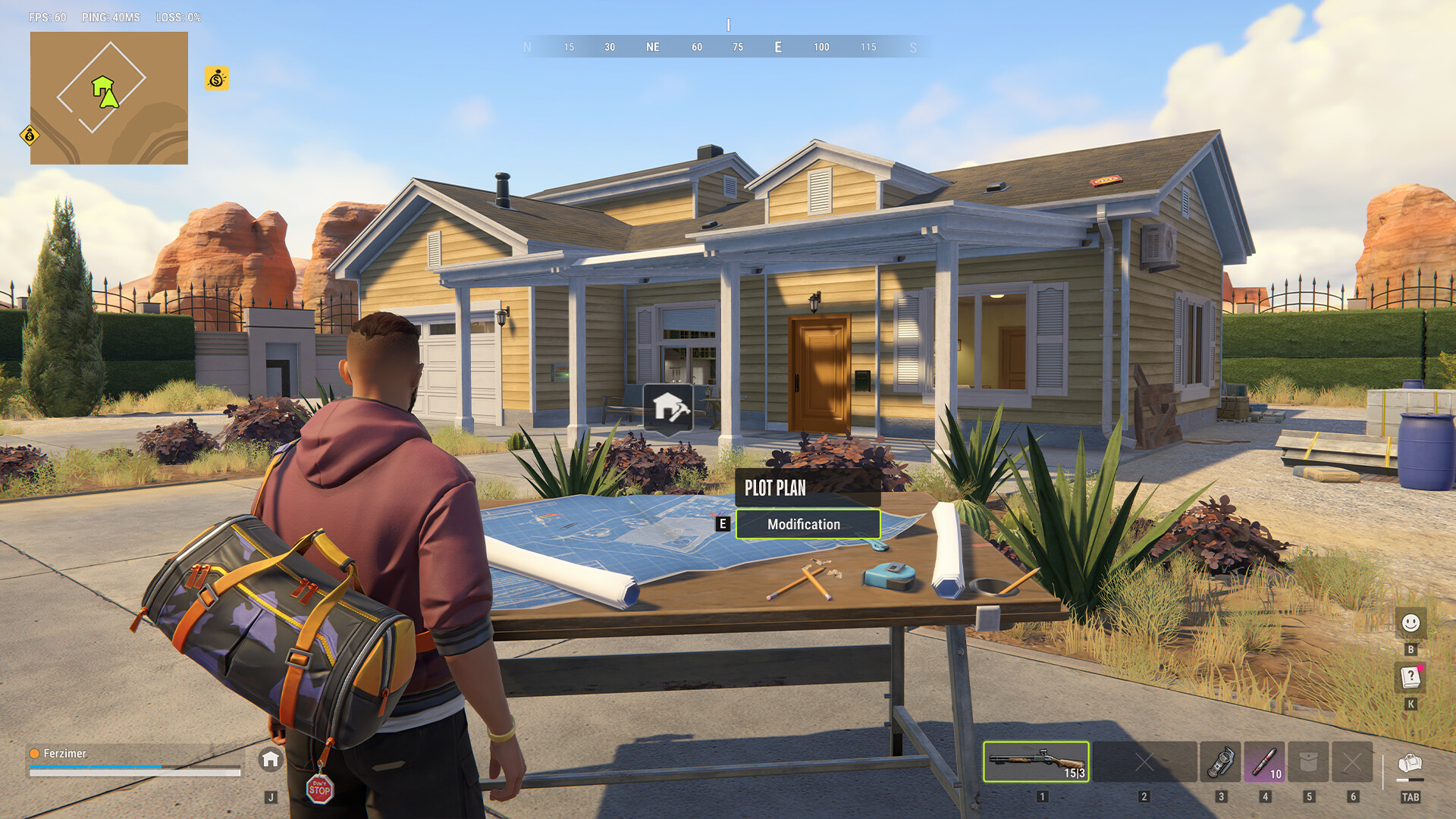
Scout the house before putting on a mask
Start by looking over the building and planning your getaway route before masking up, as the official heist instructions recommend. For the house robbery described in the walkthrough, this includes finding the alarm at the side of the building before beginning to steal. Bring an empty bag so that existing items do not take up space you could use for the valuables you find.
Putting on a mask enables robberies in Looty Bay, but it also exposes you to attacks from Police and other Criminals. If you die, everything in your bag is lost, making the journey out part of the robbery rather than an afterthought. With teammates, divide responsibilities between breaking in, carrying loot and providing cover, following the official recommendation for a coordinated heist.
Disable the alarm and keep occupants at gunpoint
Disable the house alarm before taking anything, because the house walkthrough reports that stealing while it remains active immediately alerts police. The walkthrough locates its example alarm at the side of the house, and the creator tutorial also begins by switching the alarm off. Use that as your preparation sequence: locate the alarm, disable it and then begin the theft.
A documented entry method is to smash through the glass doors and head inside, where the walkthrough encounters NPCs. Treat that as an entry option for the house shown, rather than assuming every house has an identical entrance. Once inside, aim your weapon at the occupants instead of shooting them, as the house walkthrough specifically advises.
Keep checking the occupants with your weapon while looting instead of aiming at them only when you first enter. The walkthrough warns that they can call police if you stop keeping them under control, and the creator tutorial likewise recommends pointing a weapon at them. Disabling the building's alarm and keeping occupants at gunpoint are therefore separate parts of the robbery sequence.
Search open surfaces and closed storage
Look for loose items on tables and beds, then check drawers and cabinets for valuables stored out of sight. The house walkthrough describes both types of placement, so searching only the obvious surfaces leaves part of its recommended search unfinished. Continue checking occupants with your weapon during this search, because moving between containers does not remove the risk of a police call.
An empty bag gives you more room to collect stolen items, which is why the walkthrough recommends clearing it before the trip. Plan around the items you actually find rather than expecting a particular reward from every drawer or cabinet. The documented placements describe where to look; they do not promise identical contents or a fixed payout for each house.
Escape, sell valuables and collect the cash
Once you have finished looting, the house walkthrough recommends leaving in a vehicle and avoiding collisions with other cars. It reports that hitting cars during the escape can draw suspicion, so your planned getaway route still matters after leaving the building. If police arrive before you leave, a creator tutorial suggests hiding in a closet as a situational option, without promising that it guarantees concealment.
To sell valuables, the TposeGaming guide identifies the dollar-sign van marker in Looty Bay as a fence and also names the Sales Center. After selling, collect your cash from the counter instead of leaving as soon as the goods are sold. According to the same guide, uncollected money remains loose on the counter, where another player can steal it or police can confiscate it.
Use a decoder to enter a rival player's base
For a player-owned base, the official entry instruction is to use a decoder on the rival's Security System to gain temporary access. Do not substitute the NPC house's glass-door walkthrough for this security procedure, because the official base instructions specify a different way in. The developer FAQ also says breach decoders cannot simply be bought and advises choosing your target carefully.
Be ready to act when access opens, because owners can repair their Security System and lock you out again. Temporary entry is an opportunity to get inside, not a permanent change of ownership or a promise of uninterrupted access. The official advice is to act quickly, so account for the owner's ability to restore security when planning what to do after entry.
Expect security hardware and defending players
Fuses installed in a Security System make attackers spend substantially more time and resources trying to hack it. Defense modules can also alert the owner's allies to an ongoing attack, bringing other players into the raid. The developer recommends allied defense against raiders, so assessing a target involves more than considering its security hardware alone.
Fortifications are described by the developer as the main defense for a base, although no base is completely safe. For an owner storing the proceeds of robberies, this makes defensive preparation relevant even after the valuables reach the hideout. Player hideouts can be built and upgraded to hold loot and vehicles, with workbenches and safes among their available contents.
Separate stolen goods, protected cash and Criminal status
Lenny stores cash only, so stolen goods need to go to your base rather than being treated as a cash deposit. That storage remains vulnerable because other players can raid your base, just as you can target theirs. Laundered bank funds are protected from thieves and accessible only to their owner, giving cash a different form of protection from stored goods.
Protection from theft does not make laundered cash permanent: the documented seven-day wipe removes cash along with plots, bases and weapons. Likewise, finishing a sale or reaching storage does not clear your Criminal status, which can only be cleared by leaving Looty Bay. On your next visit to the city, you can choose your role again.
Understand what a complete base wipe requires
Ordinary temporary decoder access is different from completely wiping a rival's base off the map. The developer says total destruction requires an extremely rare, loot-only raid item, a restriction intended to prevent repeated abuse of complete base wipes. Surviving structures can be rebuilt after an attack, so entering a base and destroying it completely are distinct outcomes.
When a raid does completely wipe a base using that ultra-rare item, the developer says attackers can take everything on the property, including furniture, structures and parked vehicles. That broader outcome belongs to the complete-wipe condition and should not be assumed from simply opening the Security System. For a standard base raid, plan around temporary access and the owner's ability to repair security and shut you out.