
Choose Civilian if your priority is keeping your bag and equipped gear after dying in the city; choose Criminal for crime-focused play with the risk of losing inventory on death in Looty Bay. That recommendation depends on location, because the official help gives the desert a separate rule: dying there means losing all your loot. The rob run civilian vs criminal choice therefore starts with what you want to do and what you are prepared to lose.
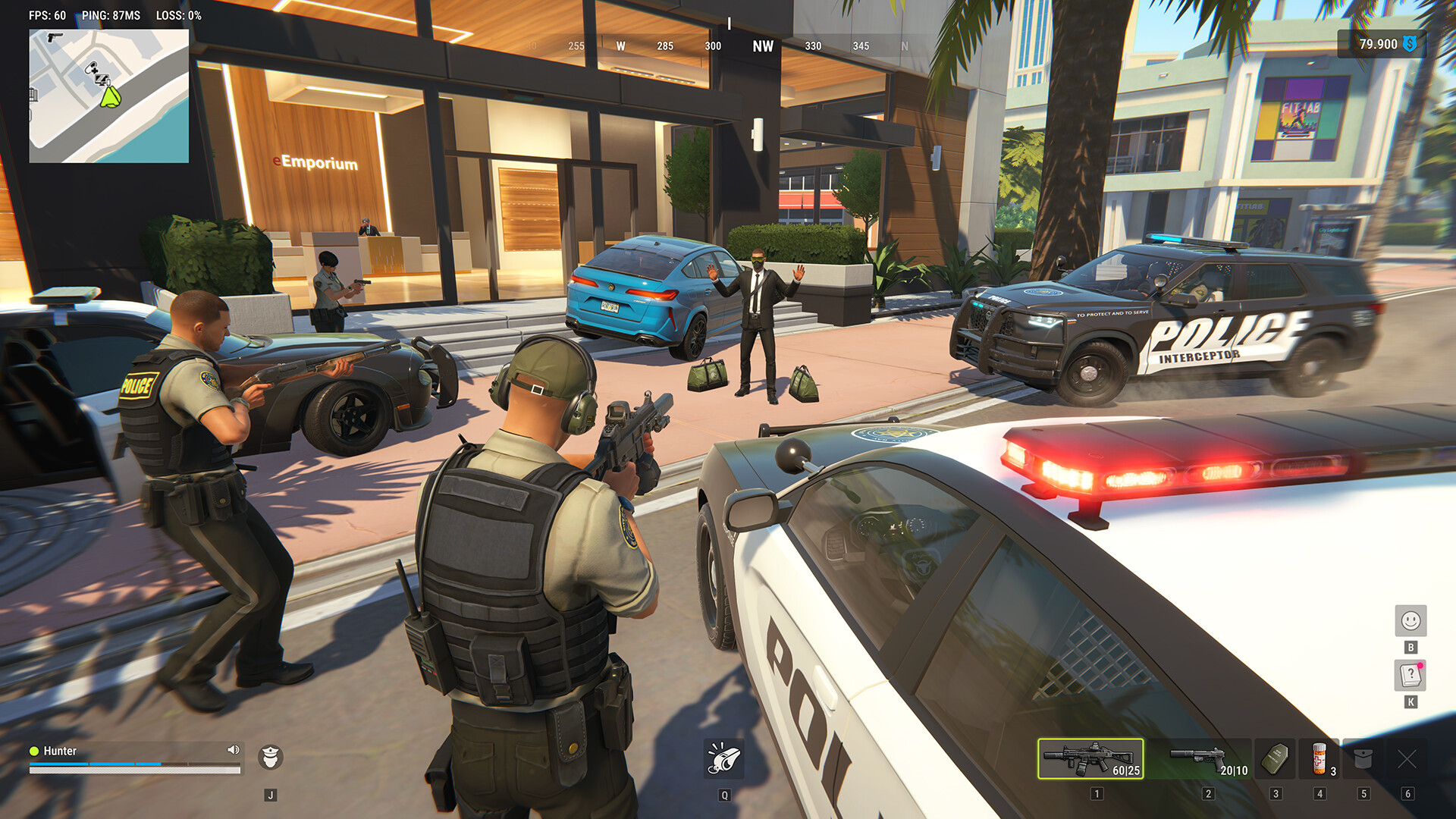
Civilian and Criminal have different city death penalties
ROB RUN's official help says a Civilian who dies in the city retains both bag contents and equipped gear. Those are separate parts of the protection, so the benefit is broader than simply keeping whatever your character is wearing. If preserving those belongings after a city death matters more to you than entering criminal mode, this is the clearest documented reason to choose Civilian. The location condition matters just as much as the role, so read this as a city rule rather than protection that follows you everywhere.
For Criminals, the official help says death in Looty Bay costs their inventory, while surrendering to the Police can preserve equipped gear. That makes surrender relevant when you are weighing what happens to the equipment you currently have on your character. However, the help only promises protection for equipped gear when surrendering; it does not say that your bag contents are also saved. When deciding whether to surrender, keep that narrower promise in mind instead of treating it as the same protection a Civilian receives after a city death.
The desert and Police follow separate rules
The desert changes the comparison because the official help says death there always means losing all your loot. It does not give Civilians an exception to that statement, so the city protection is no basis for expecting to keep desert loot. If your reason for choosing Civilian is avoiding item loss, check where you are planning to play before relying on that benefit. The useful comparison is therefore role plus location, rather than a single claim that one status always protects your belongings.
Police Officers have another distinction in the official help: they lose department-issued gear on death while retaining personal items and equipment. That description separates issued equipment from personal belongings, whereas the Civilian city rule explicitly covers bag contents and equipped gear. It should not be folded into the Criminal surrender rule merely because both involve the Police. Keep the desert warning in view as well: the help also states its blanket desert loss rule, so the Police description should not be treated as a confirmed desert exemption.
Criminal play centers on crimes and player opposition
In a recorded player video, the criminal-mode description says the mode allows crimes and makes Criminals subject to Police pursuit. That explains the attraction if you are choosing a role specifically to take part in crime rather than prioritizing the Civilian city death benefit. The official Steam introduction describes bank robberies, attacks on rival hideouts, Police chases, and gunfights. These are examples of the advertised gameplay, with no accompanying ranking that establishes which activity pays best or is easiest.
The official introduction also describes every cop and every criminal as a human player with an agenda. That matters when choosing the criminal side: the opposition described by the game consists of people making their own decisions. A chase or confrontation is therefore part of a player-driven setting, rather than something the role description promises will unfold in a fixed way. Choose that style of play because you want those encounters, while judging the potential loss of belongings separately from the appeal of the action.
Check the current controls before changing status
One player video reports holding F to become a Criminal, which gives a concrete example of how entry worked in that recording. It is not a guarantee that every platform, control layout, or later version uses the same input. Check the mode prompt and controls shown in your own game before attempting the change. The same recorded mode description says criminal mode is disabled when you leave the city, so that behavior should also be understood in the context of the version shown.
Another player video describes exiting and returning to become a Civilian again, and the player also associates Civilian status with keeping gear after being killed. That account does not establish that disconnecting, force-quitting, or leaving during combat safely resets your status. Use it as a report of what that player described, rather than an assured escape method for equipment you cannot afford to lose. The developer says ROB RUN still needs polishing, balancing, and additional features, making current in-game instructions especially relevant when following older control or status advice.
Solo play and clans offer different social commitments
ROB RUN's official introduction says you can survive alone and also presents creating a crime family or joining an existing clan. If you want criminal play with an organized group, those are the advertised social options to consider. The listed group activities include assigning roles, organizing raids, taking territory, fighting gang wars, and negotiating truces. Those descriptions help explain the appeal of coordinated crime, but they do not establish that joining a clan is a prerequisite for becoming a Criminal.
A hideout does not make stored loot untouchable
The official introduction lets players build and upgrade hideouts, store loot and vehicles, and place workbenches and safes. It also warns that a more lavish refuge attracts more intruders, so storage should not be described as absolute protection. This matters alongside the Civilian and Criminal comparison because death penalties and threats to stored belongings are different concerns. Choosing a role based on what survives a city death does not, by itself, answer what can happen to possessions kept at a base.
A player video describes leaving a base while money was laundering and returning to discover that someone had stolen the money. That is a specific reported experience, rather than proof that every storage container or safe behaves the same way. Together with the official intruder warning, it gives you a reason to consider base security separately from your character's status. For the role choice itself, use the documented tradeoff: Civilian provides city death protection, while the criminal side centers on robberies and chases and carries the stated inventory-loss risk in Looty Bay.